
Melasma Treatment
Melasma Treatment in Bhopal – Advanced Care for Clear, Even-Toned Skin
If you are struggling with stubborn pigmentation patches on your face, professional Melasma Treatment in Bhopal at Advance Skin Clinic under the expertise of Dr. Yogesh Rathore Bhopal offers safe, customized, and effective solutions. Melasma is a chronic skin condition that causes dark, irregular patches—commonly on the cheeks, forehead, nose, or upper lip. Though stubborn, melasma can be significantly improved with the right diagnosis, lifestyle adjustments, and advanced dermatological treatments.
What Is Melasma?
Melasma is a form of hyperpigmentation where melanocytes (pigment-producing cells) become overactive and produce excess melanin. This leads to brown, grey-brown, or dark patches on sun-exposed areas of the skin. It is more common in women, especially during pregnancy, hormonal changes, or prolonged sun exposure. Melasma is not harmful, but it affects one’s appearance, confidence, and skin texture. The good news is that with the right approach, melasma can be controlled and lightened significantly.
Causes of Melasma
Melasma develops due to multiple internal and external factors. Understanding these makes it easier to manage and prevent flare-ups.
1. Sun Exposure: UV rays stimulate melanocytes, causing pigmentation to deepen. Even minimal exposure can darken melasma patches.
2. Hormonal Changes: Pregnancy, birth control pills, thyroid disorders, and hormonal imbalance can trigger melasma.
3. Genetics: A family history of melasma increases the likelihood of developing it.
4. Heat Exposure: Heat from the kitchen, hot showers, steam, and even harsh climates can trigger pigment production.
5. Skincare Products: Some products irritate the skin and worsen pigmentation.
6. Stress: Increased cortisol levels can affect hormones and result in flare-ups.
Symptoms of Melasma
Melasma is easy to identify because of its characteristic appearance. Common symptoms include:
1. Dark patches on the cheeks, forehead, nose bridge, chin, or upper lip
2. Symmetrical pigmentation on both sides of the face
3. Brown, grey-brown, or deep tan discoloration
4. Skin darkening that worsens with sunlight or heat
5. Sharp, well-defined borders around patches
Though melasma is not painful or itchy, it can significantly affect one’s confidence and requires long-term management.
How to Prevent and Manage Melasma
Melasma is a chronic condition, meaning it can flare up if not properly cared for. Effective prevention and daily management can reduce pigmentation and prevent new patches from forming.
Sun Protection – The Most Important Step
Sun exposure is the biggest trigger for melasma. Proper sun protection reduces pigmentation significantly.
1. Use a broad-spectrum sunscreen SPF 50+ daily
2. Reapply sunscreen every 2–3 hours
3. Wear wide-brimmed hats and sunglasses
4. Avoid direct sunlight during peak hours
Heat Protection
Heat can worsen melasma even without sunlight. Reduce heat exposure by:
1. Avoiding hot showers
2. Staying away from kitchen heat or using ventilation
3. Minimizing steam facials and saunas
Choose Skin-Friendly Products
Avoid harsh scrubs, strong fragrances, or irritating creams. Use mild cleansers, hydrating serums, and dermatologist-recommended products.
Healthy Lifestyle and Diet
Antioxidants like vitamin C, berries, nuts, leafy greens, and hydration help improve pigmentation naturally.
Medical Treatments
Dermatological treatments help fade melasma faster and more effectively. Melasma Treatment in Bhopal at Advance Skin Clinic includes personalized solutions designed to target deeper pigmentation layers.
Melasma Treatment Options at Advance Skin Clinic
At Advance Skin Clinic, Dr. Yogesh Rathore Bhopal offers a combination of the most advanced and safe melasma treatments. Since melasma varies from person to person, treatment plans are tailored to skin type, severity, and sensitivity.
1. Chemical Peels
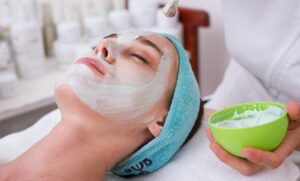
Peels gently exfoliate the top pigment-rich layers and stimulate skin renewal. Mild to medium-strength peels such as glycolic, lactic, and mandelic acids help lighten melasma effectively.
2. Laser Therapy
Laser toning and Q-switch lasers target deep pigmentation without harming the surrounding skin. Controlled energy breaks down excess melanin and gradually lightens patches.
3. Mesotherapy for Pigmentation
This treatment delivers skin-lightening vitamins, antioxidants, and brightening serums directly into deeper layers of the skin for faster improvement.
4. Topical Medications
Dermatologist-approved creams containing retinoids, tranexamic acid, kojic acid, and azelaic acid help reduce melanin production and lighten patches over time.
5. Oral Supplements
Antioxidant supplements may be recommended to reduce internal triggers and support overall skin brightening.
6. Maintenance Therapy
Since melasma can return, maintenance treatments like mild peels and skincare routines are essential for long-lasting results.
Why Melasma Is Difficult to Treat
Melasma is complex because pigment lies in deeper layers of the skin. Hormonal and genetic triggers make it chronic. This is why self-treatment or OTC creams often worsen the condition. Professional evaluation by Dr. Yogesh Rathore Bhopal ensures safe and accurate treatment.
Results You Can Expect
With consistent treatment and proper care, you can expect:
1. Lightened pigmentation
2. Even skin tone
3. Reduced patch size
4. Smoother and brighter skin
4. Fewer flare-ups over time
Regular follow-ups and a good skincare routine help maintain long-lasting clarity.
Why Choose Dr. Yogesh Rathore for Melasma Treatment in Bhopal?
Choosing the right dermatologist is crucial when it comes to treating melasma safely. At Advance Skin Clinic, Dr. Yogesh Rathore Bhopal brings extensive experience in pigmentation management and advanced dermatology. He uses a structured, science-backed approach that combines technology, medical treatments, and long-term care. Each treatment plan is personalized, ensuring minimal irritation and maximum results.
With modern machines, detailed skin evaluation, and continuous monitoring, Advance Skin Clinic provides the most trusted Melasma Treatment in Bhopal with long-lasting improvements and healthier, clearer skin.
What Are Acne Scars?
Acne scars are permanent or semi-permanent marks left on the skin after severe or untreated acne. They occur when acne penetrates deep into the skin, damaging underlying tissue. During the healing process, the skin may produce too much or too little collagen, resulting in visible scars.
Book Your Procedures Now
Services
Hair Treatment
- Hair Transplant
- PRP Treatment
- GFC Treatment
- Alopecia Areata
- Mesotherapy For Hair
- Exosome For Hair
Skin Treatment
- Acne Scar
- Chemical Peel
- Microneedling
- Eczema Treatment
- Keloid Treatment
- Vitiligo Treatment
- Mesotherapy For Skin
- Microdermabrasion
- Melasama
- Exosome For Skin
- Psoriasis
- thread lift
Medi Facials
- Hydrafacial
- Carbon Facial
- Photo facial
- Korean Glass Facial
- Vampire Facial
Laser Treatment
- Laser Toning
- Laser Hair Removal
- Nano Fractional CO2 Laser
- Mole Removal
- Wart Removal
- Tattoo Removal
- Skin Tag
- Birth Mark
Dermato Surgery
- Cyst Removal
- Nail Surgery
- Earlobe Repair Surgery
Aesthetic Treatment
- Botox & Fillers
- HIFU Treatment
- Skin Booster
- Glutathione
Our Video
Melasma Treatment – Frequently Asked Questions (FAQ)
What is melasma?
Melasma is a common skin pigmentation disorder that causes dark brown or greyish patches, mainly on the face—especially the cheeks, forehead, nose, and upper lip.
What causes melasma?
Melasma develops due to excess melanin production. Common causes include:
1. Sun exposure
2. Hormonal changes (pregnancy, oral contraceptive pills)
3. Genetics
4. Thyroid disorders
5. Certain cosmetics or skincare products
Is melasma permanent?
Melasma can be controlled and significantly improved, but it may not be permanently cured. With proper treatment and sun protection, long-term results are achievable.
Is melasma harmful?
No, melasma is not harmful or dangerous. It is a cosmetic condition but can affect self-confidence and appearance.
Do creams alone work for melasma?
Mild melasma may improve with creams alone. However, moderate to severe melasma usually requires advanced treatments like chemical peels or laser therapy.